

Blog

5 Simple Steps to Stop Feeling Like a Failure in Your Writing
I’ve read a lot lately about and from writers feeling like a failure in their writing. The questions are typically: Is this normal? What do I do? How do I keep writing? OR How can I get back to writing? How do I make this go away? I totally get it because I’ve been that person. I’ve set writing goals that I pretty much watched fly by and said “Well, that sucks. Now what do I do? How do I get back on track?”

I’ve read a lot lately about and from writers feeling like a failure in their writing. The questions are typically:
Is this normal?
What do I do?
How do I keep writing? OR How can I get back to writing?
How do I make this go away?
I totally get it because I’ve been that person. I’ve set writing goals that I pretty much watched fly by and said “Well, that sucks. Now what do I do? How do I get back on track?”
The amazing thing about writing is that it’s very much a process. It’s a cycle we go through, so even when something happens that pushes us out of our normal writing habits, we always have the option to dive back in.
The amazing thing about writing is that it’s very much a process.
The big question is how to be confident doing that when we really feel like we failed. Or that we are a failure as a writer.

Why Do We Feel Like a Failure in Our Writing?
There are several places where fear of failure develops from:
School/Education
Bad Experiences
Media Portrayal of Writers & Writing
Incorrect Impressions of Failure & Success
If you’re interested in reading more about how each of these plays a huge role in why writers have negative writing thoughts, check this out.
At the same time we’re developing this fear of failure, we’re also forming our vision of what success looks like. As children, we start off with wonderment when we can do things like color in the lines in our favorite coloring book - it’s a great success! Gradually as we get older, we stop celebrating these small victories and only celebrate events like weddings or birthdays (and sometimes we sadly even forget or skip those).
The truth is, though, that anytime you make progress it’s a success.
The truth is, though, that anytime you make progress it’s a success. Small progress is still progress! It’s not a one size fits all scenario.
Between our fear of failure and our weird relationship with success, it can be a huge struggle to figure out how to feel balanced with our writing. It can certainly make us feel like we’re failing as writers and creatives.
Sometimes we also feel like failures without the fear aspect. We’ve done something already but it’s just “not good.” Or maybe we tried to finish a project and we couldn't and we don’t know why.
For writers, feeling like a failure often comes from things like:
Missing a deadline
Not being able to follow through on a creative idea
Having an idea and not knowing where to start.
While they often feel like the end of the world, these events are all temporary. They all have a fix or a workaround. None of these things defines a writer unless it becomes a regular habit. And, if/when that bad habit occurs, it’s usually because of an already existing notion of failure we developed long before now.
Our feeling of failure begins to merge with a fear of failure that’s been with us since we were kids.
It can become a vicious cycle! If we can’t achieve a “big” success milestone with our writing (or if we do but it’s not fast enough) , we often internalize that as a permanent part of who we are instead of recognizing it as a one time event. So our feeling of failure begins to merge with a fear of failure that’s been with us since we were kids.
How crazy is that?! It’s super disheartening, to say the least.
An important truth: Failure is an event, not a person. YOU cannot be a failure because you are a person.
The great reality about failures is that they come and go. As much as we are uncomfortable in the moment, and the following moments, tomorrow is a new day - a new chance to learn and grow.

How Do We Change Our Feelings about Failure?
If you’re reading this and you’ve felt like a failure in your writing (especially recently), I’ve got good news for you!
You can change it!
Let me tell you how.
There are 5 simple steps you can follow to start getting your writing and creative confidence back today. Because these steps work so well (I use them in my own writing life!), I created a pretty great checklist for you so that you can use them over and over again. You can get that here.
But, more on the steps! They are:
Step 1: Acknowledge Your Feelings & Write Them Down
We all have feelings because we’re people, so whether or not you like it or want to admit it, you have some kind of feelings about writing. The first thing you need to do to stop feeling like a failure is to acknowledge that your feelings not only exist, but are legitimate. You’re allowed to feel like that.
Let yourself think about it and write those feelings down on a piece of paper.
So let yourself think about it and write those feelings down on a piece of paper. Don’t sugar coat it, either. You’re not doing yourself any favors by not acknowledging how you actually feel.
I know it’s hard, and for some people who aren’t open about their feelings, it might feel weird or embarrassing. I’ll reassure you here that it’s NOT, but in the case you feel like that (your feelings are valid!), I won’t tell anyone you’re writing down your feelings as long as you actually do it so you can help yourself.
Deal?
Step 2: Figure Out the “Why” of Your Feelings
Once you’ve written down your feelings, you need to dig in and find out why you feel like that. The biggest places negative feelings usually come from are comments that have been made to us by other people and experiences we’ve had. These aren’t the only places, but they’re definitely on the top 3.
Knowing this, really take the time to think about why you feel like this about your writing. Keep in mind that this might be a little painful, so tread softly, but be truthful with yourself so that you can begin to heal from this feeling of failure. You still don’t need to tell anyone about it if you don’t want or aren’t comfortable - do it for yourself.
Step 3: Shift Your Mindset to Believe in Success
You’re doing great!
This stuff is far from easy, but I can tell you’re invested in yourself. And you are SO worth that investment! Since you’ve already figured out how you feel and why, you now need to start shifting how you think about failure.
To shift your thinking, you need to decide what you could think about your writing and creativity that’s positive.
We now know that failure is an event and not a person, which means you can’t be a failure. To shift your thinking, you need to decide what you could think about your writing and creativity that’s positive. How do you want to think about these important aspects of your life? You know what you felt before, but what could you think instead?
Step 4: Practice Your Success Mindset
Since you have these shiny new thoughts about your writing & creativity, it’s time to put them to action! Practice does make perfect, right? Or so they say.
While we don’t need perfection, which isn’t realistic, we can start to create good habits that will help us on our path to success. Success doesn’t usually just show up, it takes time and dedication - effort on our part. Forming habits and continually showing up to practice them ensures that we will, in time, succeed.
So having decided on the “what ifs” of your writing, think about how to make them a reality. What steps can you start taking and making time for that will help you get to your ultimate end goal(s)?
Step 5: Write a Rainy Day Note for When You Fail
Before you do step 5, you should take a celebration dance like no one’s watching (and no one is...probably) because you’re doing it, my friend. You are tackling these feelings of failure and changing your creative life for the better.
How great is that?
I’m so proud of you!
The last step to stop feeling like a failure in your writing is to write a rainy date note for yourself for when you fail.
The last step to stop feeling like a failure in your writing is to write a rainy date note for yourself for when you fail. Because you will. Everyone does. But that doesn’t mean you can’t prepare for it by remembering how you feel right now.
So for the final step, spend some time writing a positive and encouraging note to yourself about why you worked through these steps. What was the purpose? What do you need to hear on a rainy day when it seems like everything you touch fails?
Do this exercise because it really works. I have a rainy day note I use when I’m feeling like I kind of suck, and it works every time without fail. I know it sounds cheesy, but who cares if it works, right?
Next Steps
First of all, I’m so glad you visited and I hope the steps are so helpful to you. Even if you’re skeptical, give them a try - I think you’ll be surprised at how well they work.
These steps are so simple, but so powerful!
These steps are so simple, but so powerful! I don’t know about you, but I love getting on board with simple things that make my life better.
So now that you have the 5 simple steps to stop feeling like a failure in your writing, what do you do next?
It seems to me you have some pretty great options:
Download the Free Checklist
I love a good checklist, and I ESPECIALLY love this one. Not only is it pretty, but it’s also super helpful. You get the 5 steps in an easy-to-use format, AND you also get some bonus reminders about how to stop feeling bad about your writing & creativity. Double win!
If this sounds awesome to you, or if you’re a little intrigued, click here or fill out the super quick form below to get your checklist for free right now. What’s the worst that could happen with a free checklist?
Keep Practicing Your New Success Mindset
After you get the checklist (or even if you don’t), keep practicing your new mindset. Being able to change your own mind is such a powerful tool! But it takes practice, so spend the time creating those new thoughts and habits in your life.
Write!
Embrace the process and just keep writing.
I will always encourage you to do the thing that scares you, especially in writing. Now that you’ve decided you want to change your mindset, though, it’s even more important to write - practice, fail, succeed, do it all over again. Embrace the process and just keep writing.
Get Additional Encouragement if You Know it Would Help
Last, but certainly not least, if you like these steps and you’re trying to use them but still want or need a little bit of additional help, I can give that to you. Click here to read more about how I work 1:1 with writers like you to encourage, uplift, and help them make the progress on their writing that they’ve been dreaming about but struggling with.
My challenge to you is to download the checklist and start on these steps TODAY. You’ve got this!
Have you used the steps? Or maybe other or additional steps to help yourself feel good about writing? I’d love to hear about your experiences! Find me on social media, drop a comment below, or email me at rachel@capturingyourconfidence.com!
Let’s chat because you, my friend, are on your way to great writing.

What is an Unstoppable Dream-Getter?

I talk a lot about Unstoppable Dream-Getters here at Capturing Your Confidence, and for a good reason! Everyone has the potential to be one.
This month, all new blogs will be focusing on bravery and facing our fears. What better way to start off the month than reflecting on what it means to be an Unstoppable Dream-Getter?
What exactly IS an Unstoppable Dream-Getter?

Characteristics
Characteristics
An Unstoppable Dream-Getter, or UDG for short, is someone who:
Is brave and courageous. They stand up for what they believe in, and what’s right.
Is bold. They take risks that scare others, even when they may be afraid. They aren’t reckless, but they valiantly leap out of their comfort zone when they see an opportunity.
Is proactive. They don’t wait for something to show up for them or for miracles to be handed down on a silver platter. They look for places to learn and grow every day.
Is passionate. They love what they do and their determination to share that with the world is second to none.
Is strong. When they lack support, they keep going. They don’t let off the cuff criticism keep them from pursuing their dreams. On the contrary, it fuels the fire.
Is stubborn and resists taking the “easy” way out. They don't opt for shortcuts when hard work and elbow grease are foundational.
Is reliable, and can be counted on to show up and bring their A game. They don’t half-ass their work because they know that’s a waste of everyone’s time.
Is empathetic to others and knows that loving and caring about others is key to success

Actions
Actions
An Unstoppable Dream-Getter (UDG) is someone who:
Creates. They write, draw, sing, or whatever other creative outlet expresses a sliver of their soul to the world.
Makes decisions. They analyze the situation and make the best call with the information they have. Indecision does not paralyze them.
Admits their short-comings. They are not perfect because they are human. What makes them different is their desire and effort to acknowledge and grow these areas to be better.
Gives themselves grace to fail, but doesn’t sulk and let the failure define their path.
Laughs at themselves and takes embarrassment with a grain of salt. They know they are more than their mistakes.
Encourages others, who in turn, encourage them. By promoting positivity, they grow their own self-beliefs.
Draws boundaries and holds strong to their convictions. They know they can only truly control their own behavior, not that of others, so they don’t waste their effort with unrealistic expectations.
Manages their stress to make the most of opportunities. They might be a worrier at heart, but they develop ways to put their worry into productive planning. Sometimes UDGs need help, and they reach out to get it. This is an exhibit of strength because they have figured out their limits.
Actively learns at every possible turn. They learn something new every day, and not only recognize that, but value it highly.
Asks for help when they need it, even when they might not like the answer. Even when reaching out to ask makes them incredibly uncomfortable. They face their fear and use the power of a support network to succeed.
Wants to see others succeed alongside themselves because they know that there is strength in community. They grow personally, but know deep down that they are only one small piece in a very large puzzle. They also know that all the pieces - themselves included - play a very important role in the puzzle. After all, a puzzle is only complete when all the pieces are in their places within the larger picture.
Values input on their hard work and effort. They may not naturally be good at accepting criticism, but their desire to grow outweighs their pride. They do not need to be “the best” - they just need to be their personal best.
Doesn’t make rash, in-the-moment decisions when their livelihood is on the line. They don’t “rage quit” jobs without savings. They don’t give their boss the finger in the parking lot. They dig in and find a way to use their strengths to get out of the situation.
Opens themselves up and shows their vulnerabilities in service of others. They are real. They are open. They are honest. They tell the truth, even when it’s not easy or popular.
Refuses to believe they can’t. They might be physically unable, or seemingly out of reach of their dreams, but they are creative and resourceful. There is almost always more than one right way to get somewhere, and a UDG searches until they find it.

Qualities
An Unstoppable Dream-Getter (UDG) is someone who:
Is a confident go-getter who does the things that scares them most because they know they can. They are more than their anxiety and fear.
Is flexible and willing to adapt, even when it is a new learning experience.
Has an indomitable spirit. They may bend or shutter under pressure, but they know that storms are only temporary trials, not permanent obstacles. They dig in and adjust their sails - they may even batten down the hatches to survive - but when they do, they come out stronger and more energetic than ever.
Doesn’t give up! They stick with their dreams through thick and thin - hard and joyous - times. But they know that we live in an ever-changing world that we have to account for. They can figure out when to pivot.
Rests assured in the knowledge that they can make good decisions and be bold to get to their dreams. They don’t crack under pressure, they lean in and rise to the occasion. They openly face their fears and persist in growing in the face of adversity.
Isn’t fearless, on the contrary. They are sometimes terrified in aspects of their life.
Isn’t better than anyone else, nor is necessarily a genius. They are normal human beings! What makes them special is their attitude and work ethic. UDGs are persistent and tenacious. They keep an eye on their big dreams, even when the dreams seem unreachable.
Unstoppable Dream-Getters are so incredibly important because:
They are irreplaceable and often wear multiple hats. They rock those hats even when it’s a bad hair day.
They keep the world on its toes through their art and inner-beauty. They create. They do. They succeed not because someone showed them how, but because they decided that not-succeeding wasn’t an option.
They may falter, and sometimes doubt their path, but they steadfastly show up day after day because that’s how it’s done. There are aren’t miracle fixes or products that can replace the persistent hard work of a reliable UDG.
When they fail, they take a breath, get their head on straight, and get back up to try again. They do this until they succeed, even when they feel they aren’t progressing. They readjust, improvise, and find another way.
This is what it means to be an Unstoppable Dream-Getter.
Are you an unstoppable dream-getter? Do you want to be? Reach out to me on social media or via email at rachel@capturingyourconfidence.com to learn more about how I can help you get to your big creative dreams. It's what I do.

Interview with an Author: Dr. Joyce Huff

Our June guest author is Dr. Joyce Huff.
Joyce Huff teaches Victorian British literature at Ball State University. She co-edited the long nineteenth-century volume of Bloomsbury’s Cultural History of Disability. Her essays have appeared in collections such as The Fat Studies Reader, Bodies Out of Bounds, and Victorian Freaks, and in journals such as Nineteenth-Century Gender Studies and Fat Studies. Her poetry has appeared in Gargoyle and on the Library of Congress’s Poetry 180 website.

Tell us a little about your specialty studies.
I am interested in the representation of human bodies in literature, particularly in those bodies with proportions, features, or functions that challenge socially constructed norms about what bodies should be and do.
I am interested in the representation of human bodies in literature.
My work examines the role of literature in the construction of these societal norms and asks why certain bodies have historically been stigmatized and how we can create more just, equitable, and diverse ways of envisioning bodies. Although my main focus is on Victorian British literature, I have also written about freak shows, diet crazes, and airline seating, and I am currently researching the diary of a nineteenth century graverobber.
Tell us about your writing journey. Have you always wanted to be a writer?
Yes. For me, writing is a way of working through ideas. I use writing to process my experiences, thoughts, and emotions. When I send out something out to be published, I hope that it will contribute to a larger conversation and also that others will be moved to respond with their own ideas, so that the discussion will continue to grow.
Can you explain a little of the background on how you became an editor for A Cultural History of Disability in the Long Nineteenth Century?
A Cultural History of Disability in the Long Nineteenth Century is part of a six-volume refence set that covers disability history from the ancient world to the present. The idea for the project came from the general editors of the set, Robert McRuer and David Bolt, both scholars I greatly admire.
While excellent collections on the history of disability already exist, most of the essays within them focus on particular places and isolated moments in time: how blindness was understood in Ancient Greece or the development of sign languages in 19th-century Europe and America.
This set has the much more ambitious goal of providing an overarching perspective on disability history.
This set has the much more ambitious goal of providing an overarching perspective on disability history; each volume contains chapters on the same eight topics (such as mental health issues and mobility impairment) with a general overview at the beginning of each volume.
I was very fortunate to be asked to participate in this project, and even luckier to get to work with my co-editor, Martha Stoddard Holmes, whose book Fictions of Affliction: Physical Disability in Victorian Culture, has had a huge influence on my own work.
Are there other books you’ve authored or collaborated on? If so, can you tell us a little about them?
This was my first, and it was so exciting! I have published chapters in other people’s books, but this was the first time I got to see my name on the cover.
How does the process of collaboration work between multiple editors? How does it differ from working on a piece of your own?
Working with Martha was a wonderful experience. Writing can be lonely sometimes, and I find that doubts can creep in when you are working alone. It was lovely to have someone with whom I could talk through ideas and who would give and take encouragement and constructive criticism as the project developed.
Writing can be lonely sometimes, and I find that doubts can creep in when you are working alone.
Our goals for the project were very compatible, and our strengths complemented each other well. For example, I tend to have more fun at the beginning of a project, whereas I think Martha enjoys the end stages more. I learned a lot from her about how to finish things, which is something I always need to work on.
What was your process for putting the collection together?
Martha and I sought out experts on each topic to write the individual chapters, and we co-authored the introduction. I was so pleased with the group of writers that we assembled, many of whom have inspired my own research and teaching.
We gave feedback on multiple drafts from each author, while the general editors provided feedback to us on the collection as a whole. Martha and I divided up the drafting of the introduction according to our research interests and then shared sources, added to each other’s drafts, and edited each other.
When we pulled the sections of the introduction together, we found that our writing styles meshed so well that we had to color code blended drafts to remember who wrote what!
Academic writing, and oftentimes creative writing, requires a lot of research! Can you describe a little bit about how the research process works with your writing?
Because I feel that writing is joining a conversation, I write best in response to other authors. I often compose with a book open on my knee, alternating between reading and writing. Because my work is historical, I also do primary source research, examining written artifacts from the time period under consideration.
The best part of research for me is finding “hidden treasures.”
The best part of research for me is finding “hidden treasures.” Once, I asked to see a book at the Library of Congress in Washington, DC. I was told that the book wasn’t in the computer system. I followed the librarian to a basement with a massive card catalog and located the card, which was handwritten in cursive. According to the card, I was the first person to request the book in over a hundred years.
Describe your biggest writing obstacle and how you overcame it.
Writer’s block. Overcoming writer’s block is an ongoing process, one that you have to keep working at – or, at least, I do. You have to just show up at the page and trust that the writing will happen, which is hard.
There are several works on writer’s block that I’ve found helpful. Probably my favorites are Julia Cameron’s The Right to Writeand Patricia Goodson’s Becoming an Academic Writer.
What is the part of the book (or process) you are most proud of?
One of the best parts of working on this book was how much I learned in the process. My own research focuses on British literature and culture, but, for this project, I needed to think more globally. Because of the scarcity of sources in translation, we ended up focusing on the English-speaking world, which, in the nineteenth century, covered more than a quarter of the globe.
One of the best parts of working on this book was how much I learned in the process.
I particularly wanted to learn more about disabled populations who were not part of the white majority that dominated the Anglophone world. One book I found very helpful was Dea Boster’s African American Slavery and Disability: Bodies, Property and Power in the Antebellum South, 1800-1860.
I also learned a great deal from all of the chapters that our authors submitted. Because I knew almost nothing about the history of stuttering, reading the chapter on speech dysfluency, written by Daniel Martin, was especially illuminating for me.
Do you have plans for another book or additional published writing in the future?
Yes. I am working on the manuscript of a book tracing the history of some of our current attitudes about fatness back to their nineteenth-century roots.
Do you, or would you ever consider, doing creative writing? If so, how do you think that differs from your academic writing?
Though academic writing is my main focus, I occasionally write poems. You can read one of them on the Library of Congress website here and I have a few more coming out in the Spring 2021 issue of Gargoyle.
I write poems when I have an emotional response to the material I’m researching.
I write poems when I have an emotional response to the material I’m researching, but it would not really be relevant to my goals in writing an academic work. Poetry is the perfect form for working through those feelings.
What do you want the world to know about you as an author?
I really want people to start rethinking the narrow limits we have created to define socially acceptable embodiment. Human bodies are very diverse; they come in a range of colors, sizes, configurations, sexes, sexualities, and abilities. I see that diversity as, not simply normal, but also valuable. I hope that my writing will lead other people to think more deeply about that.
What is the biggest piece of advice you would give to aspiring writers?
If I had it to do over, I would have started writing and sharing my writing with others earlier.
I postponed writing until later in my life, and, when I started, I waited too long to show my work to other people and seek out their feedback and advice. If I had it to do over, I would have started writing and sharing my writing with others earlier.
If you would like to read Dr. Huff's collection A Cultural History of Disability in the Long Nineteenth Century you can request your local library purchase it for their reference collection. Purchases can be made here.
If you know an author (or of an author) you would love to read an interview with, email me at rachel@capturingyourconfidence.com!

10 Picture Prompts to Start Summer with Writing Inspiration
We’ve officially made it to summer! I can’t tell whether this year has gone incredibly fast or slower than any year before it.
What does it feel like to you?
Summer is typically a joyous time where kids are home from school and the swimming pools are open for business! Late night movies, team sports, and reading lists abound. Well, usually, at least.
This summer will be different than all the rest, but that doesn’t mean we can’t still get inspired to write!
What is a Picture Writing Prompt and How Do I Use It?
Before I share pictures for summer writing inspiration I wanted to quickly describe how to use them.
If you haven’t done a picture writing prompt before, it’s fun and you’re going to love it!
All you have to do is look at the image and write a story about it.
All you have to do is look at the image and write a story about it. It doesn’t have to be anything fancy, or a certain word/page count. It’s simply meant to inspire your creativity and get you writing. You don’t even have to think of a subject if you’re using the picture! How cool is that?
The Prompts
Below are 10 images to spark your creativity. Use them however they are helpful (and fun) for you!
Try writing a short story, poem, or essay. Or if you’re feeling really inspired, you could write a novella or novel!
1. Toes in the Sand

Toes in the Sand
2. Pure Joy

Pure Joy
3. Holding Hands

Holding Hands
4. An Abandoned Historic House

An Abandoned Historic House
5. A Natural Throne

A Natural Throne
6. A Statuesque Windmill

A Statuesque Windmill
7. Stormy Skies

Stormy Skies
8. Hidden Treasure

Hidden Treasure
9. Secret Stairs in the Woods
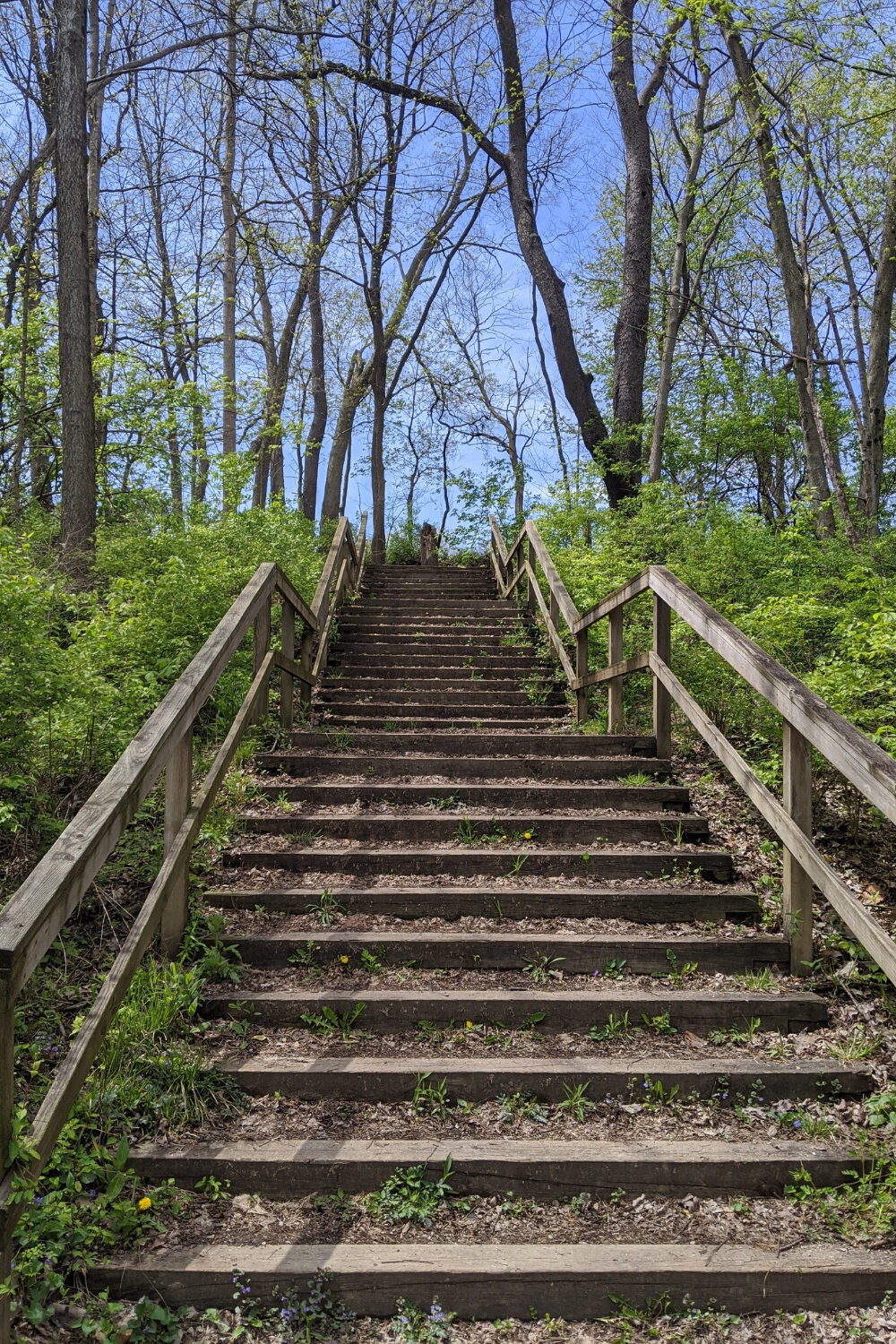
Secret Stairs in the Woods
10. Road Less Traveled

Road Less Traveled
BONUS: Brother Love

Brother Love
If you use one of these prompts, please consider sending your writing to rachel@capturingyourconfidence.com - I’d love to see it!
Who knows, maybe I’ll feature your words on my blog (with your permission, of course!)
I’d love to hear about your experiences using picture prompts! Find me on social media, drop a comment below, or email me at rachel@capturingyourconfidence.com!
Let’s chat because you, my friend, are on your way to great writing.

3 Ways to Conquer Fear of Failure

You're a writer, right? Or you want to be. But you’re not sure if you can. Or if you’re good enough at words to really make it.
Maybe you’ve been told you’re not “writer material.” Or maybe you’ve never quite gotten up the bravery to share your words with others.
Does this sound familiar?
Hi there! This was me. For A LONG time.
Why?
Fear, mostly. That still sounds bizarre to me sometimes because in general, I don’t consider myself a timid person. Like at all. But dang it if I wasn’t making excuses about my writing that all led to the same thing: I was afraid to do it because I was afraid to fail. To be wrong. To be “bad.”
Fear of failure is definitely problematic. But it’s also something we can work on.
Even if you haven’t had doubts about your journey to be a writer (which is seriously awesome, and I’d love to pick your brain about how that happened), chances are you’ve probably had some experience with fear of failure that’s stopped you from doing something you wanted to do.
Here’s the thing, fear of failure is definitely problematic. But it’s also something we can work on.

Negative thoughts writers tell themselves
Negative Thoughts Writers Tell Themselves About Writing
As a writer, brand new or experienced, you’ve heard at least one of these thoughts. Probably more - they’re super common.
I’m just not that good at writing./I suck at this.
Writing is hard, I probably won’t ever finish writing a book.
People won’t like my writing even though I worked so hard. I’ll be too upset.
I’m boring, who cares about what I have to say?
I’m a failure, who would want to read my writing?
Of course, there are so many variations of these ideas that yours might sound a little different (there’s a laundry list for most of us).
WHOA.
Is it any wonder we worry so much about writing when this is our narrative?

Where do negative thoughts about writing come from?
Where Did These Negative Thoughts Come From?
If we have all of these wildly negative thoughts swimming around in our brain (most of which are completely untrue, by the way), where the heck did they come from? How did they get there? And why in the world do they play such a big role in our current writing realities?!
School/Education
For many of us, school is the first place we learn to write. We’ve probably all seen some version of our paper covered in red ink - there’s even an ongoing red ink debate about it! It used to be the common belief that all of this “correction” would help students learn to write the “right” way. As it turns out, all it really does is frustrate and intimidate students.
We internalize early on that needing a lot of changes means we didn’t do well.
We internalize early on that needing a lot of changes means we didn’t do well. We feel it’s a sign of “bad writing” when we have to make changes to something we already worked so hard on. In this context it makes sense we would be afraid to send our adult writing to readers if we feel like we’re going to get that dreaded feeling of having to change everything we just poured a little of our souls into.
Students also regularly tell me about flippant comments on their writing that just tank their writing confidence. I’m talking about the comments that say things like “This is bad,” or “You’re not a good writer,” or even more vague “Not impressed.” Having been on both sides of the table with writing (the student and the teacher), I don’t think that many teachers realize how damaging this commentary actually is. It’s not meant to be outright hurtful (at least I would hope not), but it definitely is.
Bad Experiences
Without question, the thing I hear most is that someone, at some point, gave the writer bad feedback (or said something mean that had nothing to do with the actual writing) and that bad experience soured the individual’s whole feeling about writing.
I’ll be the first to admit that this happened to me. And I let it.
Working with students and other more established writers, I have been absolutely stunned by the sheer number of incidents people have told me about. Some of them are more mild, like mine, but some of them are just gruesome and I wonder at the strength of the writer who has pushed through and been successful despite those experiences.
Media Portrayal of Writers & Writing
If you’ve seen any movies or shows about writers, there are several ambiguous stereotypes that almost always appear. Sometimes the overarching plot is about a spectacular failure and then the writer rising from the dust to be wildly successful.
Writers can be successful and support themselves just fine as long as they learn the skills they need and are willing to work hard like everyone else.
Probably the most damaging stereotype (which is the most common) is of the starving artist writer who refuses to get a more lucrative job and is seemingly okay with being broke living in a gross apartment over a mildly successful restaurant as long as they get to write. The best (worst?) part about this is that they are great writers, but no one notices.
Eye roll.
Writers can be successful and support themselves just fine as long as they learn the skills they need and are willing to work hard like everyone else. If the movies are the only way you’ve seen writers’ lives, though, you probably have a hard time not worrying that this will happen to you if you want to be a writer.
The fear of being stuck not being able to support yourself is real and valid. But it shouldn’t be more scary being a writer.
The fear of being stuck not being able to support yourself is real and valid. But it shouldn’t be more scary being a writer. In general it can be scary being an adult who wants to feed themselves and live in a place that doesn’t suck.
Incorrect Impressions of Success & Failure
I’ve talked about this before because it’s important. We have kind of a messed up view of both what it means to be successful and what it means to fail.
If we’re going by the film scenarios, we feel like success is the first scene: a spectacular fail followed by a magnificent and unprecedented win. Usually that win is fame or a lot of money. On the other hand, we feel like failures if there’s any chance of us being the writer in that restaurant apartment, even if it means we work a “regular” job and save money for something better.
The first problem is that these are extremes. Like anything else in life, there’s more than one way to be successful. It’s not always about the money and the fame. Sometimes (a lot of the time, actually) it’s about the smaller milestones.
The other problem is that people can’t be “failures” because a failure is an event. Just because you don’t reach your goal doesn’t mean you’re a failure, it means you failed to reach your goal and you probably need to reset your expectations or readjust your actions and try again. That one event does not define you as a person (unless you let it).

Overcome fear of failure
3 Ways to Overcome Your Fear of Failure
It seems like a lot is working against us, doesn’t it? It doesn’t really help us knowing why we have fear of failure if we don’t knowwhat to do about it.
The best thing about being a creative human is that you are able to flex and adapt when you need to! The fix you need right now is to work on your fear of failure and keep writing.
This is what you need:
1. Reset Your Expectations of Failure & Success
We talked a bit before about failure and success, so I won’t belabor this point too much. Remind yourself of 3 things when you are feeling afraid:
Failure is an Event, Not a Person
Small Progress is Progress
Hard Work Wins in the End
Writing is a skill, not a talent, so when you work hard and keep pushing past small failures, you will improve. It’s not an if, it’s a when. What’s holding you back here is the concept that failing is the be all and end all.
Hard truth? We all fail. You will too, but that is OKAY. Keep working on it, think about what it would mean for you to be successful, and you will be just fine.
2. Do it Anyway!
I’m a big fan of doing things that scare you. You can read about it here, if you want more details on how to do that - it’s easily one of my top 3 favorite things to write and talk about.
As you take a leap of faith and write through your fear of failure, keep in mind that practice makes perfect. The more you write, the better you will get. Don’t get stuck in the trap where you think you have learned all there is to learn - I can assure you that you haven’t. No one has! And that’s one of the beautiful things about creating with words. It’s ever-evolving and we get to keep learning along the way.
Don’t let daunting tasks dissuade you from writing.
When you are feeling afraid, take the time to acknowledge that your feelings are there and that they’re valid. Writing is hard! Creating things that have never existed before is daunting! You are allowed to feel afraid.
That being said, don’t let daunting tasks dissuade you from writing. Accept that we are scared of some things, that’s fine, and then USE that to fire yourself up and get excited. We grow when we do things that make us uncomfortable, and writing is an excellent opportunity to be uncomfortable without having to share that with the world. You’re not obligated to share anything you write if and until you are ready. Keep that in mind and dive right into that doubt.
3. Be Willing to Be Vulnerable
This may (or may not) be surprising, but when we put our words on paper and share with others, we are showing vulnerability. And that’s a GOOD and NECESSARY thing to do.
I won’t lie to you, this stuff is SCARY - probably the most intimidating thing you will do as a writer is throw yourself at a reader’s mercy wondering what they’re going to say about the work you poured over for so long. But, if you’re going to be a strong writer, you need to be able to put yourself and your work out there.
If you’re going to be a strong writer, you need to be able to put yourself and your work out there.
Get criticism, hopefully of the constructive nature (don’t choose your first readers willy nilly) and use those comments to make your writing better. In the end, we’re all just trying to be the best creators we can be, right?
Writing is, in one way, both one of the hardest and easiest things we do. It seems natural for many of us to dump words on the page - emotions, dialogue, scenes, you name it and we probably write it. But, what people rarely tell you is that sometimes these thoughts and imagined ideas are hard to deal with. And even harder to share.
If you let it, fear of failure will run your life. Not just in writing, but in all areas. It just so happens that writing is a means of meaningful expression for writers, and so when we get stuck in the comfort zone we don’t get to do what we’re passionate about. We stop writing and try to convince ourselves that we don’t need it, or that we don’t really want to do it (even when it’s obvious it’s all we want to do).
If you let it, fear of failure will run your life.
To face your fear of failure, reset your expectations of success & failure, do it the heck anyway, and be willing to be vulnerable with people who can help you be better.
My challenge to you is to start with Do It Anyway and work from there.
Did you try the strategies? Or do you have some of your own strategies you’ve used to face fear of failure that grips writers everywhere? I’d love to hear about them! Find me on social media, drop a comment below, or email me at rachel@captuingyourconfidence.com!
Let’s chat because you, my friend, are on your way to great writing.

5 Ways to Tame an Unruly Inner Critic
Are you good at being kind to yourself?
Think about that for just a moment.
For many of us, it’s easy to be kind to others. Being kind is valued and encouraged from a young age in our communities. What seems to be lacking is the idea of being kind to ourselves.
Sure, we need to take care of ourselves, but it’s not really considered a problem if we consistently put others before ourselves. In fact, it’s almost looked at as a good thing in many cases - especially care-givers.
It probably shouldn’t be a surprise that for many writers, we are harsh in criticism to ourselves.
So it probably shouldn’t be a surprise that for many writers, we are harsh in criticism to ourselves. We berate our writing, even when it’s not that bad. And rarely is it THAT BAD. I see this all the time as I work with beginning writers, or writers who have faced nasty criticism before.
This harsh criticism comes from our inner critic.
Our inner critic is mean.
It’s not always mean, but it happens enough of the time to be (at best) a nuisance or even (at worst) a deterrent from getting any writing done at all.

What is an Inner Critic?
If you’ve heard the term before, the inner critic is probably a familiar idea. You know your inner critic, or rather, they know you, better than anyone else in the world.
If you haven’t heard of the idea of the inner critic, you might be asking, “What the heck is that?”
Your inner critic is that little voice in your head that critiques what you do. In writing, it’s that little voice that questions things like whether a sentence is coherent, or whether XYZ is the right word. It’s the whisper (or bullhorn) of doubt when you write something that just doesn’t feel right. It’s the voice that, at the end of the novel, goes “Does the whole thing suck?”
The problem isn’t that your inner critic is there.
Everyone has an inner critic, and it’s likely you’ve heard it before, even if you didn’t know what it was called (or if you call it something else). Some of us are good at ignoring it, while some of us battle to not take it as direct truth every single time it makes a comment about our progress - or lack thereof.
Incidentally, this voice also sometimes gives us praise! Things like “wow, what a great phrase!” The problem isn’t that your inner critic is there. The problem is that a lot of times the criticism is worse than warranted and yet somehow gets more attention than positive comments your inner critic might make.

Inner Critic
We Are Our Own Worst Critic. Really.
Whoever said this out loud first was absolutely right. We absolutely are our own worst critics! Unfortunately, writing seems to bring out the worst inner critics.
There are several factors that go into making our inner critic so mean:
Self-Esteem
It’s hard to be nice to yourself when you don’t believe you’re worth it. Self-esteem plays such a big role in our lives, but we don’t often notice how it trickles into things like our writing. If self-esteem is low, the inner critic in our mind sees this as a weakness and takes advantage of it.
Confidence
Even if we have a good self-esteem, it doesn’t mean all of us are confident writers. We all have days where we doubt ourselves, but a constant lack of confidence in our skills and abilities becomes a big problem in making real progress. The inner critic sneaks in and scares us away from getting feedback, or even sometimes continuing to write at all.
Prior Experiences
Friends, I’ve talked to A LOT of writers. And almost everyone has had a bad prior experience with writing. Whether we’ve gotten bad feedback, or been told we couldn’t (or shouldn’t) write, the differences lie with how each of us deals with it.
You can’t be a failure because it’s something that happens, not who you are.
Some writers are resilient enough to push forward and grow from it (which is healthy), while others unleash the inner critic who rips up the last shred of our confidence. Some of us even let these experiences define our writing or ourselves for long periods of time (that was me). The inner critic sneaks reminders of these experiences in when we try to move forward with our writing.
Beliefs About Writing & Writers
While we are growing up and learning to write, we learn some weird things about writing. Somewhere along the lines we learn that writing is a talent that only some special people have, and the rest of us shouldn’t even bother trying to succeed as writers. (This is 100% false, friends.)
We also learn that unless you become a mega-star writer like J.K. Rowling, writing can’t make you any real money so we should probably like something else along with writing - it can only really amount to a hobby. (Also untrue.) Our inner critic feeds these ideas back to us when we think about starting new creative projects or taking a leap and following our big dreams.
Beliefs About Success & Failure
How we define success and what constitutes failure also weighs heavily on our ability to be successful writers. We feel like we are only successful when we finish something, and/or that we’re a failure if we pivot to something new when a project just isn’t working out. That’s a misconception. Anytime you make progress it’s a success. Small progress is still progress!
We have to actively change these ideas we’ve accumulated about success and failure in order to move ahead.
The other misconception is that a person can be a failure. The truth is, failure is an event. It’s not a person. You can’t be a failure because it’s something that happens, not who you are. Sure, some people have lots of failure on the record - it’s become common to say things like “FAIL” and laugh.
We have to actively change these ideas we’ve accumulated about success and failure in order to move ahead. Our inner critic has a feeding frenzy when it thinks there’s any chance of failure because it knows it can convince you that failure is permanent - it’s you - when it’s really just an event.

Strategies
5 Things to Do When Your Inner Critic is Particularly Self-Deprecating
So what the heck do you do about this inner critic voice?
The bad news is you that can’t just get rid of it.
The good news is that there are some simple things you can work on to make your inner critic work for you and not against you.
These 5 simple strategies are to:
Take a Deep Breath & Acknowledge Your Feelings
Before you do anything else, take a deep breath in, and let it out slowly. Dealing with a mean inner critic can be extremely frustrating (just like dealing with a mean person out in the real world), so you don’t want to go in with fists ablaze.
Dealing with a mean inner critic can be extremely frustrating, so you don’t want to go in with fists ablaze.
Once you have taken your deep breath (and a few more, if that helps you cool down) acknowledge the fact that your inner critic does have feelings. They might even have a little validity! That does not mean you have to let the inner critic or comments run the show.
Tell Your Inner Critic to Back Off!
Chances are, if someone insults you, you probably respond to them with some kind of “back off” message, right? Treat your inner critic in the same way.
If you don’t use strong language or harsh criticism with others, you don’t need to be saying it to yourself. Tell that little voice to take a hike! It can come back when it has something productive to say.
Make a list of regular negative comments like “this sucks” or “you should have been able to do this better the first time” and make a focused effort to stop using them & letting your inner critic use them on you.
Explore the “Why”
As with most things, it’s generally helpful if you know why your inner critic is being a jerk.
Remember the factors:
Self-Esteem
Confidence
Prior Experiences
Beliefs About Writing & Writers
Beliefs About Success & Failure
What’s gotten into your inner critic that’s making it say such harsh things?
What’s gotten into your inner critic that’s making it say such harsh things? The more you know about it, the easier it will be to debunk those comments.
Take Some Critical Distance from Your Writing
I’m a big proponent of regularly taking critical distance from your writing, but especially at major milestones. This means walking away lock, stock, and barrel from your project for a set amount of time. Your inner critic won’t be as active during the distance because it’s not looking at the same writing you’ve been pouring over for weeks, months, or even years.
Critical distance also helps you get a fresh perspective and new eyes to take back to your work. This is helpful in keeping our inner critic at bay because it knows we’re making needed improvements already - no need for another naggy reminder.
Get Feedback from Someone You Trust
Feedback is so important to the writing process. It can also be scary! But, when your inner critic tells you that something you wrote is terrible (even if you don’t quite believe it), consider having a trusted writer friend read it and give honest commentary.
In order for us to get an honest self-critique (and helpful feedback from others), we need to tame that beast and keep it under control.
Having someone else look at your words can help you identify places that need work, but it can also help satiate that inner critic voice that’s chomping at the bit for things you might need to fix. Your inner critic will have much less to say when your trusted reader likes your work!
You’ve probably heard your inner critic, and even if you are good at silencing that voice, it can sometimes get out of hand focusing on the negatives. In order for us to get an honest self-critique (and helpful feedback from others), we need to tame that beast and keep it under control.
The great thing about taming the beast (besides satisfaction) is that none of the strategies are overly complicated. This doesn’t mean they are easy - don’t misunderstand - these things take hard work. But, they are 100% worth the effort, and you will start seeing a change in your inner critic when you start purposefully implementing them.
My challenge to you is to choose one strategy and try it the very next time you sit down to write something. Whether that’s a blog, a creative piece, or a piece of artwork. Work on that strategy and just see what happens. I bet you’ll find it improves your writing experience.
When you do try these tips, or if you have other experiences with how to deal with a mean inner critic, I’d love to hear about them! Find me on social media, drop a comment below, or email me at rachel@capturingyourconfidence.com!
Let’s chat because you, my friend, are on your way to great writing.

5 Must Read Books by Black Women

NOTE: There are NO affiliate links in this article. If you choose to purchase something from a link, I will not profit. You will get great books, though! So I would encourage you to select a few and try them out!
By this point, you’ve probably heard more than one thing about the Black Lives Matter movement. Some of it has probably been positive and realized the need for serious change in the way our society is structured. People taking a stand against what has proven to be more ugliness than most of us probably realized was there.
And some of it has probably been negative - from those people who don’t (or won’t) understand the true tragedy and magnitude of what has continued to happen to the black community for decades. I’ve seen comments that are downright hateful, and to be frank, pretty racist.
Our friends, people we know and love, have been affected on a level that most of us can’t even begin to imagine.
I don’t pretend to be an expert in race relations, and I certainly can’t claim any firsthand knowledge of the black experience. I am white, and that has extended me quite a bit of protection from daily microaggressions other people face.
What I do know is this: there is a LARGE portion of our communities that are hurting yet again. Our friends, people we know and love, have been affected on a level that most of us can’t even begin to imagine. And they are angry. And they should be. Everyone should be able to feel secure in their daily lives - that should NOT be a privilege, and unfortunately right now it is.
Change is uncomfortable.
Change is uncomfortable. Nothing changes when we are in our comfort zone, and there have been a lot of us who have been peeking out, wondering if our voices would actually make a difference. We have watched and empathized. Tried to listen and learn. But then didn’t take action on what we believed. We have been scared.
Let me rephrase that, I have been afraid to stand up.
Probably for selfish reasons. Probably because I avoid conflict that makes me emotional and angry. Probably because for my whole life I’ve been a people-pleaser: that is my comfort zone. The one where people like me.
The reality is, though, that my life is (comparatively) safe. I don’t have to worry when I go to the store, or when I get pulled over. People don’t look twice when I go into a ritzy store, or when I browse at something for a long time in the store. That’s the truth. I’m not an immediate suspect for things - in fact, I’m a person other people turn to and say “Did you see that?”
That is why it’s so important to stand up right now. I will likely mess up. I will probably offend people. I might even lose friends or future customers and clients. But this is too important for inaction.
If you are scared, too, but also realize that your voice can be powerful, let’s do it together.
I always advise people to do the thing that scares them, and I do this often myself. It helps us grow and be better. So this is me standing up scared. If you are scared, too, but also realize that your voice can be powerful, let’s do it together.
If you know me on a personal level, you know that I’m typically very apolitical. I’m never looking for a debate, and there are only a couple of issues that I feel strongly enough about to even broach the subject.
The thing about black lives is that they are not a political movement. They are HUMAN LIVES. The movement is about unnecessary and often brutal loss of precious, unique humans. It’s about protecting black citizens from violence, and changing the system that has condoned it for a long time.
I am one person, but I have a voice and a platform. Rather than using my voice to give information this week, I wanted to share some of my favorite books by black writers.
I want to take this space to amplify the powerful words of black writers who have shaped, and continue to shape, generations of readers.
Some of the best literature I’ve read (and I’ve read a lot) was written by black women. I want to take this space to amplify the powerful words of black writers who have shaped, and continue to shape, generations of readers. In the coming months, you will also see a purposeful diversification of book reviews & interviews to continue to include strong black voices.
Here are 5 of my favorite books by black women. I hope you enjoy them as much as I do!

ayiti by Roxane Gay
Roxane Gay, ayiti(2011)
About the Author
Brief Summary
ayiti is a collection of brief stories ruminating on the Hatian diaspora experience. With brief pieces like “The Dirt We Do Not Eat,” Gay expresses the intricacies of stereotyping and the damage of assumption. Part fictional, part non-fictional, and with a little poetry thrown into the mix, Gay’s collection brings to light the often unspoken emotion of Hatian immigrants, emigrants, and Hatian-Americans.
Favorite Passage
from “About My Father’s Accent”
“For many years, we didn’t realize our parents had accents, that their voices sounded different to unkind American ears. All we heard was home. Then the world intruded. It always does.”
Author Video
https://www.youtube.com/watch?v=rml6KQlLIsA&t=57s
Other Works
An Untamed State(2014) - Novel
Bad Feminist (2014) - Essay Collection
World of Wakanda (2016) - Novel
Difficult Women (2017) - Story Collection
Hunger (2017) - Memoir
Not That Bad (2018) - Anthology
Best American Short Stories (2018) - Guest Edited Collection
ayiti (Grove Press) (2018) - Story Collection

Beloved by Toni Morrison
Toni Morrison, Beloved(1988)
About the Author
Brief Summary
Beloved is a novel about former slave, Sethe, who is working to support herself and her daughter. She lives in a house haunted by her dead baby, but finds love in Paul D, another former slave. When a mystery women, Beloved, shows up, things start getting weird. Although the town has always forsaken Sethe and her house, they rally to protect her by driving Beloved out.
Favorite Passage
“She moved him. Not the way he had beat off the baby’s ghost - all bang and shriek with windows smashed and jelly jars rolled in a heap. But she moved him nonetheless, and Paul D didn’t know how to stop it because it looked like he was moving himself.”
Author Video
https://www.youtube.com/watch?v=UPuQxcD2l2o
Other Works (Note, this is only a small selection of her work!)
The Bluest Eye(1970) - Novel
Sula (1973) - Novel
Song of Solomon(1977) - Novel
Jazz(1992) - Novel
Paradise(1997) - Novel
A Mercy (2008) - Novel
The Source of Self-Regard(2019) - Non-fiction Essay Collection
More comprehensive list here

Their Eyes Were Watching God by Zora Neale Hurston
Zora Neale Hurston, Their Eyes Were Watching God(1937)
About the Author
Brief Summary
In this novel, Janie tells her story to friend, Phoeby, while sitting together on her porch. Janie tells of her escape from multiple loveless marriages, and a love affair ending in tragedy. The townspeople might gossip, but Janie is at peace.
Favorite Passage
“Of course he wasn’t dead. He could never be dead until she herself had finished feeling and thinking. The kiss of his memory made pictures of love and light against the wall. Here was peace. She pulled in her horizon like a great fish-net. Pulled it from around the waist of the world and draped it over her shoulder. So much of life in its meshes! She called in her soul to come and see.”
Author Video
https://www.youtube.com/watch?v=ucu9qKY20bw
Other Works (Note, this is only a small selection of her work!)
Jonah’s Gourd Vine(1933) - Novel
Mules and Men(1935) - Collection of folklore
Tell My Horse (1938) - Study of Voodoo
Moses, Man of the Mountain (1939) - Novel
Full list of published works here

Citizen by Claudia Rankine
Claudia Rankine, Citizen: An American Lyric(2014)
About the Author
Brief Summary
Citizen explores themes of race and black experience in the United States through a poem with many formats. The book also features expressive images and purposeful use of color and white space to make its points.
Favorite Passage
“The sunrise is slow and cloudy, dragging the light in, but barely.
Did you win? he asks.
It wasn’t a match, I say. It was a lesson.”
Author Video
https://www.youtube.com/watch?v=upCFbREUvtk
Other Works
Nothing in Nature is Private (1994) - Poetry Collection
Plot (2001) - Poetry Collection
Don’t Let Me Be Lonely: An American Lyric(2004)
Si toi aussi tu m'abandonnes ballade américaine(2010) - Documentary Poetry (in French)
The End of the Alphabet (2015) - Poetry Collection
Full list of other types of published work here

The Color Purple by Alice Walker
Alice Walker, The Color Purple(1982)
About the Author
Brief Summary
Celie’s life has been one hardship after another. The various traumatic events don’t stop her from faithfully writing letters to God, or her sister Nettie. Though her life started in hardship in rural Georgia, she finds unexpected love, and is ultimately able to break out of the shell of a personality others have created for her throughout her life.
Favorite Passage
“I believe God is everything, say Shug. Everything that is or ever was or ever will be. And when you feel that, and be happy to feel that, you’ve found It.”
Author Video
https://www.youtube.com/watch?v=QoNSQsXL_CM
Other Works (Note, this is only a small selection of her work!)
Once(1976) - Poetry Collection
You Can’t Keep a Good Woman Down (1982) - Story Collection
The Third Life of Grange Copeland(1988) - Novel
Meridian (1989) - Novel
By the Light of My Father’s Smile (1999) - Novel
Now is the Time to Open Your Heart (2004) - Novel
Full list of published works here
For More Recommendations:
https://www.nytimes.com/2018/11/30/t-magazine/black-women-writers.html
https://www.ywboston.org/2018/02/14-black-women-writers-read-year-round/
https://www.pbs.org/black-culture/explore/10-black-authors-to-read/

Interview with an Author: Dr. Amy L. Montz

Our May guest author is Dr. Amy Montz.
Amy L. Montz is Associate Professor of English at the University of Southern Indiana, where she teaching 18th-19th-century British literature, young adult literature, and teaching methods. Her research interests include British literature, young adult literature, and material culture, especially fashion.

Amy L. Montz Spotlight
Tell us a little about your specialty studies.
I’m lucky in that I work at a school that accepts the two fields I specialize in, 18th-19th-century British literature and young adult literature. What ties my interests in both fields is material culture.
I write a lot about the body, and fashion, and textiles, and other sorts of items.
I write a lot about the body, and fashion, and textiles, and other sorts of items. For example, in my forthcoming edited collection ADAPTATION IN YOUNG ADULT NOVELS: CRITICALLY ENGAGING PAST AND PRESENT (Bloomsbury 2020), my essay is on the materiality of 19th-century New York City and its presence in contemporary young adult novels.
I’m in the early stages of working on an article about rewrites of Jane Austen and her fiction as mysteries, and I’m also awaiting publication of an article on Austen and panoptic social media in YA. I play in a few sandboxes, and USI has always supported that.
Tell us about your writing journey. Have you always wanted to be a writer?
Yes, Lord yes. Ever since I was a kid and I figured out that people wrote books, that’s what I wanted to do. I wrote my first story on the bus in like third grade, and everyone on the bus just thought it was amazing, so that fanned the flames of my little heart. I thought I was a poet. But I was a BAD poet. It wasn’t until I wrote my first novel that I knew I had found my genre. I have elbow room in novels. Room to breathe.
I wrote my first story on the bus in like third grade, and everyone on the bus just thought it was amazing, so that fanned the flames of my little heart.
As for academic work, I’ve co-edited two volumes, published a number of book chapters and journal articles, and I’m working on a monograph right now (DRESSING FOR ENGLAND: FASHION AND NATIONALISM IN VICTORIAN NOVELS). It’s based on my dissertation (2008) but completely gutted and rewritten because my writing voice is so different now.
Where did the idea for your edited collection Female Rebellion in Young Adult Fictioncome from?
Well, there were three of us who just got to talking about The Hunger Games and dystopian texts, and we all had something we wanted to say. We thought other people might as well, so we solicited abstracts and received over 60. It was hard culling that to a book-length project. We co-authored the intro, edited the book and chapters, and each wrote a chapter. Mine was on fashion and dystopian literature.
Are there other books you’ve authored or collaborated on? If so, can you tell us a little about them?
See above re: ADAPTATION. That comes out I think in August. We just got our (final?) proofs and those are due May 15, so I have to get started on them! Lol. Also, I had sabbatical this past semester (which has been hard, given the pandemic) and through the summer to work on DRESSING FOR ENGLAND.
What makes ADAPTATION unique is that we’re the only adaptation collection thus far that focuses solely on young adult.
ADAPTATION is edited with Dr. Dana E. Lawrence, a colleague and friend of mine from graduate school. We started the conversation about literary tourism, because she works on Shakespeare tourism and I published an essay on literary tourism with Austen and Elizabeth Gaskell (Gaskell Studies I think 2016. I’d have to check my CV). We put together a panel for Children’s Literature Conference on Adaptation, solicited abstracts, proposed to presses, and signed a contract with Bloomsbury. What makes the project unique is that we’re the only adaptation collection thus far that focuses solely on young adult.
DRESSING FOR ENGLAND is a rewrite of my dissertation, which will now include three brand-new chapters and a complete rehaul of the other chapters. My argument is that the Victorian era is uniquely situated for women because of the fight for the vote, as well as the push for women’s rights. I argue that women used fashion to align with nationalism, or reject nationalism, at a time the nation would deny them a voice or a vote. Chapters include work on texts by Gaskell, Thackeray, C. Bronte, George Eliot, and my conclusion is on royal wedding gowns.
Then, there are my unpublished novels. I have an agent, we’ve tried three novels in three different genres, and nothing thus far.
How does the process of collaboration work between multiple editors? How does it differ from working on a piece of your own?
It’s harder, I think, for two reasons: one, you are not the only one making the decisions. For example, for the dystopian collection, there was an essay I loved that no one else could get to work. It’s hard making decisions as a group (three especially).
It’s *fun* working with people. It’s exciting, and you have cheerleaders the entire way.
Also, when you write together, you have to form a collective voice. A part I wrote for the intro was removed because it was too much in my voice, and not in the collective voice.
But it’s *fun* working with people. It’s exciting, and you have cheerleaders the entire way.
Describe your biggest writing obstacle and how you overcame it.
Right now? Covid-19 pandemic, because my work feels so tiny and insignificant when people are dying and being kept from their families. I had a deep depression last month when I had to leave my research trip in England a week early to come home because of self-isolation. I was in quarantine for two weeks, and everything I worked on felt ridiculous. I’m just now slowly coming out of that.
How do you balance teaching and writing?
There’s only one real way to do that, and that’s to give yourself permission to set limits. Teaching will eat up as much time as you let it, so I have writing days when I do no teaching work (no grading). But you also have to be flexible. There are no big chunks of time to write anymore, like I used to in grad school (or now, on the sabbatical I guess). I’ve trained myself out of that.
Teaching isn’t the real problem for time, it’s service.
In grad school, you had the luxury of say, 4-5 hours of time where you could sit and write. Now, I give myself 30-minute chunks. I bought a timer and that helps enormously. If you can write almost every day for 30 minutes, that’s a good deal.
But teaching isn’t the real problem for time, it’s service. The higher you get in your career, the more people need you. Emails, phone calls, people dropping by your office, it’s hard. I try to always have Fridays off, and stay home. No meetings, no teaching, etc. I also use Wednesday mornings for writing.
Since you teach classes about teaching English, where, if any, do you see intersections between your teaching and your writing?
I think allowing for time for yourself is so important, and I stress that to my teaching majors. I tell them to set limits. For example, I decide, before I start grading, depending on class and need, how many comments I’ll make on a project. Usually for a composition class, it’s five.
I think allowing for time for yourself is so important, and I stress that to my teaching majors. I tell them to set limits.
I no longer do in-text commentary, as so many studies have proven students are intimidated by lots of commentary. So I give them five actionable items with corresponding places on their paper (i.e. “on page three, paragraph 1, you state…”)
What is the part of the book (or process) you are most proud of?
Oh, none of it! I’m frightfully self-conscious about my projects and refuse to read my work once it’s published. I mean, the part I’m always happiest about is getting the cover. But proofs and proofreading are hard, and it’s tough to do. I’m always proud of my colleagues I work with though.
Do you have plans for another book or additional published writing in the future?
See above. Also, I’m working on a new novel, a Steampunk-inspired Victorian epic.
You also right creatively. How does your creative writing process differ from your academic work?
It doesn’t! I give myself permission to be sloppy, which is counter to my diagnosed OCD. I will organize pens by color, type, and how much I like them, but when I write, I’m sloppy, sloppy, sloppy.
I don’t outline for either one, but do lots of research and sketch writing, and fill in holes later.
That freed me so much when I started it 15 years ago, about the time I started dissertating and writing my first novels. I don’t outline for either one, but do lots of research and sketch writing, and fill in holes later. I’m also very chatty in my writing, so I have a strong narrative voice in both.
Do you have trouble separating your creative writing from your academic work? How do you organize and process that separation or does it all fall under the same umbrella of writing?
It’s all writing. All of it. Don’t think about it separately. The same rules apply: you want someone to read it, at the end of the day.
It’s all writing. All of it. Don’t think about it separately.
Make it interesting. Make it well-written. Don’t use awkward academese or language or jargon. Be clear, be concise, be interesting.
At the end of the day, is there a type of writing you generally prefer or is more “fun” for you? Tell us a little about it.
I just love it. Period. I mean, it’s hard when you’re on a deadline, but I get to do this for a living. Are you kidding me?? How amazing is that??
What do you want the world to know about you as an author?
That authors suffer from raging egotism coupled with crippling anxiety. I’m a nervous wreck about putting my work out there.
Authors suffer from raging egotism coupled with crippling anxiety.
Impostor syndrome is rampant. But I love what I do, and I hope that comes through in the work.
What is the biggest piece of advice you would give to aspiring writers?
Write. Every day. Every moment you have free time, write.
Read everything you can get your hands on. All genres. All voices.
Write what you love, not what you think will sell.
Write what you love, not what you think will sell.
You’ll find an audience for your work. It’s there.
If you would like to purchase Dr. Montz’s upcoming collection ADAPTATION IN YOUNG ADULT NOVELS: CRITICALLY ENGAGING PAST AND PRESENT you can find a copy here.
If you would like to purchase Dr. Montz’s collection Female Rebellion in Young Adult Dystopian Fiction you can find a copy here.
If you know an author (or of an author) you would love to read an interview with, email me at rachel@capturingyourconfidence.com!

An Open Reminder: It is OK to be Just Okay

Hi There,
Today’s post is a little different than normal because there have been many ups and downs for the past couple of months. I wanted to write an open reminder for myself that it is okay to be just okay, but then I thought: I know I’m not the only one who needs to hear this.
I’m sharing in hopes that it helps you as much as it has helped me to write it. May is also mental health awareness month, so it's a great time to be thinking about how we're all doing!
We’ve been apart for so long, and even though we’re beginning to come back together, it’s still hard. We still can’t do many “normal” things (although admittedly having people stay away from me in the grocery is actually pretty great!), and we’re still trying to figure out what any kind of new “normal” might look like in a post-lock down world.
I’m sharing in hopes that it helps you as much as it has helped me to write it.
Personally, some days are great and productive. I can write 10 pages, work on business and course design, do laundry, take my dog Charlie for a couple of walks, and lay down at the end of the day content with the fact that I kicked ass! Tired, but satisfied, I log my day and fall asleep.
Some days are not okay. Some days I want to lay around and do nothing. I roll out of bed, find out the tea maker is broken, it rains halfway through Charlie’s morning walk, and no matter how I try to write anything, it fails. I sit on the couch, watch yet another episode of mindless TV, and eat way too many unhealthy snacks. I go to bed feeling blah because even though I know I don’t need to be productive every day, I didn’t even muster the energy to do something I like.
When did everything get so complicated?
When did everything get so complicated?
How can I feel lonely when I’m almost literally always surrounded by the company of my husband and Charlie?
Why can’t I get into a routine like I could when I was working in the office?
Why is going to the BMV to get my license renewed the most “normal” thing that’s happened in weeks? Even getting my haircut was less exciting than normal, and I LOVE getting my hair cut.
Do you feel like this, too? Like you’re just “okay” some days? Or maybe even not okay?
I constantly remind myself that it is okay to just be okay.

Okay
We have been locked down for months, and I have been at home for 12 weeks. For a mostly-extrovert self-proclaimed worrier, it’s been A LOT. Even for someone without anxiety, that’s a lot! I wrote before that the pandemic hasn’t exacerbated my anxiety, and that holds true: the actual sickness isn’t causing me anxiety. I don’t worry about myself most of the time anyway, and it never really occurred to me that I would be at risk.
I constantly remind myself that it is okay to just be okay.
I, in no way, am trying to minimize other experiences. I do genuinely feel for those directly affected - my feelings aren’t ignoring the critical-ness of the situation! It’s heartbreaking, and I very much appreciate those who continue to fight the good fight on the front lines because they are rock stars. I simply mean that other factors of the pandemic have affected me more than the worry about getting sick myself.
My anxiety comes from:
Not being able to see the people I love and who love me, too.
From the fact that I was working from home for a long time after a hugely disruptive March, and then got furloughed from a brand new job where I was working more than full time hours.
From the fact that I have failed to create a routine not for lack of trying, but because genuinely every day is a little different from the last.
From not being good at relaxing, but not being motivated to be productive.
From not being good at relaxing, but not being motivated to be productive.
From just being overwhelmed by the constant state of change seemingly without end.
What have you been worried about this spring during the pandemic?
Whatever it is, whether you’ve had an experience similar to mine, or completely different, know that it is OK.
It is okay to be just okay sometimes.
It is okay to be anxious because everything has been changing for months with only a partial end in sight.
It is okay to be upset and miss those people in your life who you just want to hug.
It is okay to not be productive some days. To relax! To watch mindless television and snack like it’s your job.
It is okay to not be productive some days. To relax! To watch mindless television and snack like it’s your job.
It is okay to survive the bad days, just like it is okay to have great days!
Humans have a whole spectrum of emotion ranging from the lowest of the low to the highest of the high. It’s natural to feel different based on our environments, the people who surround us, and even the weather!
We’re allowed to be sad, and even during this hard time, we are also allowed to be happy.

For instance, I’ve been blessed with a wonderful opportunity to write full time for a short period, which is something I never could have dreamed about since I got out of grad school. I’ve written more in the past month than I’ve written since high school. That is incredibly positive!
It’s these great kinds of days mixed with the anxious days that make okay days okay.
Okay days aren’t good days, but they’re not bad days either. They’re just that: okay. So so. Whatever you want to call the in between days of our human experience.
No one’s going to call you unprofessional or immature or whatever else people think when you tell them about your video game hobby.
We’re not obligated to be our “normal” selves, or even a version of who we normally are. There are a lot of people finding out right now that they don’t even know who they actually are. They know how they present themselves to the world, but that doesn’t really do much good when you’re alone in your house, right? Or really even with your family.
No one’s going to call you unprofessional or immature or whatever else people think when you tell them about your video game hobby. Or your cleaning strategies - that you can do with pajamas on, or pants-less! Who actually cares? Not one dang person. And if they do? You probably don’t want to be that close to them anyway.
All of this is to say that if you have to tell yourself “I will be okay” more often as a reminder, or you find that more days are “just” so so, it is okay.
You will be okay, just like I will be okay.
We are resilient!
We are resilient!
And hopefully, as a society, we have learned from this experience enough to create a new and better normal. A people-centered normal that doesn’t always focus so much on “grinding” at all hours of the day and night to make money that ultimately means nothing if we don’t get to build relationships and memories.
A normal that allows people to put family first, do the things that make them happy without worrying that a sick day or a PTO day will leave them unable to pay the water bill or buy food for their family.
One last thing, friends: if you are not okay, please reach out and get help.
Whether that’s to a friend, a family member, an online community, a therapist - whoever you trust. If you have no one, please reach out to me. Bad days and just okay days shouldn’t run our whole lives, and there’s absolutely NOTHING wrong with asking for help if it seems like they do.
If today was just an okay day for you, I hope this helps just a little bit. Sometimes knowing other people are out there having similar experiences is enough to comfort us through to a new tomorrow.
Just remember, everything will be okay.
Yours in okay-ness,


Dream Big & Don't Apologize for It

What do you think of when you hear the word dream?
Take a minute and write down all the things you associate with dreams. Don’t over analyze, just jot down the words and phrases that come to mind on a piece of paper or in a notebook.
Our brains are incredibly powerful, and even in these few moments, you probably had more than one association with the idea of dreams.
You might have thought of things like: Sleep, nap, bed, night, bad dream, or nightmare.
Our brains are incredibly powerful, and even in these few moments, you probably had more than one association with the idea of dreams.
These are obvious ties to physically dreaming when you sleep.
But some of you might also have thought about things like: Goals, challenges, too hard, big dreams, success, roadblocks, support (or lack of support). Maybe even impossible.
Not all dreams are physical, so it makes sense that you might have thought about intangible career or life dreams, too.
Take another look at your words - are your associations positive? Negative? A mixture of both?
It’s pretty normal to have a mixed bag of feelings. After all, the human experience is diverse! None of us have exactly the same situations or outlook on life, even when we are similar to others. I don’t know about you, but I’ve had some extraordinarily good experiences, but I’ve also had gut-wrenchingly bad experiences. That’s the balance of life.
If your words are mostly positive, that’s great! I’d love to hear about your journey because that’s pretty dang cool.
If your words about dreams are mostly negative, though, or have a solid mix of negative, let’s talk about it.

Dream
First of All, What Do You Mean When You Say Dream?
Although I love talking about sleep dreams, the kind of dream I am talking about right now is the intangible kind. The kind the dictionary defines as “something that you want to happen very much but that is not very likely.”
Um, yikes!
It’s no wonder some of us have a mixed or primarily negative word association if we’re saying these things are not very likely to happen!
It’s no wonder some of us have a mixed or primarily negative word association if we’re saying these things are not very likely to happen!
Nonetheless, we prevail, right?
We dream about things like having a career we enjoy, a happy partnership with someone who loves us very much and who we love equally in return. Maybe a family and a house. Maybe to travel the world on our own dime not having to worry about money all the dang time!
These are the kinds of dreams I’m talking about today. The ones we always talk about like, “Oh, that’d be nice, but it’ll never happen.”

Dream Big
What Makes a Dream Big?
Some of our dreams are “normal” things like wanting to have a job that actually pays the bills - pretty reasonable, right? Or being able to move out of your parent’s house when you get a full time job.
But some of our dreams, whether or not we share them with anyone, are BIG dreams. These are the kinds of things we want but are less sure we can achieve. Maybe we want to own a big house with lots of land. Or own a brand new BMW. Maybe we want to start a business, or travel the world!
The main difference between a dream and a BIG dream is how feasible you believe it is and whether you’re willing to take the actions necessary to get to it.
Big dreams aren’t easy. They’re not things we should reasonably be able to achieve if we just meander through life watching the world around us. Big dreams require work, and lots of it. They require creative and out-of-the box thinking. You have to be willing to get out of your comfort zone to get them, which is what stops a lot of people from dreaming big!
Most of us have a pretty small (or moderate) comfort zone where we can get sucked into lazing around hoping but not acting on our ambition. I’ve been there! That space has plenty of room for naps, an unlimited supply of cute yoga pants, and a fully stocked fridge for all the snacking I don’t need to do.
The hard part of big dreams is that we can’t stay within our comfort zone to achieve them. We have to be brave and make some bold moves. These are the kinds of big dreams I mean. Some people might even say “wildest dreams.”
What are your wildest dreams? What are the dreams you feel deep down you would LOVE to happen? That scare the living daylights out of you?
What are your wildest dreams? What are the dreams you feel deep down you would LOVE to happen? That scare the living daylights out of you?
Write them down underneath your dream associations right now.
Don’t pay any attention to what you think a dream is, or whether or not you think you could get to the dream. Don’t worry about whether anyone else in your life knows (you don’t have to share - these are your dreams!). Just focus on you.
What would make your life completely and utterly awesome if it happened?

Why Should I Dream Big?
I can’t see your dreams, but I know they are big! How does it feel seeing them on the paper like that?
Exhilarating? Scary? Good! If your big dreams don’t scare you at least little, they’re not big enough!
So now that you have taken the time to write these dreams into existence (you didn’t even notice you were making progress here, did you?), what the heck do you do with it?
Why did I ask you to go through all that exercise?
There are 3 reasons we all need to dream big:
Personal Growth & Fulfillment
Are you the same person you were 10 years ago? Probably not, right? And that’s a good thing! I’m a way better person now than I was back then, and I’m eternally grateful that I’ve grown so much.
As we age, we learn and become better versions of ourselves, at least most of us do. Having big dreams allows us to work toward a goal. Presumably our goals are positive - we want to do something incredible, make a difference, travel, and/or whatever else enables us to grow and become better.
Dreams help us take steps and make decisions based on the fact that we want to achieve them.
These dreams help us take steps and make decisions based on the fact that we want to achieve them, even if they seem unrealistic or no one else believes we will get there. They help us find fulfilling ways to grow and learn new things, even with small steps.
For instance, one of my big dreams has always been to be a writer. It’s a long story (if you’re interested, you can find it here). About a year ago, I did 2 things: started my novel and started this blog. It didn’t happen overnight, but I have become a writer. I’ve added to my dream, now, but it was scary as heck to publicly call myself a writer for the first time! I bet you can imagine how satisfying it was to actually believe myself when I said it, though..
This is what big dreams do - they give us a way to grow and be fulfilled.
Keep Things Interesting
Aside from being fulfilling and helping us grow, big dreams help keep things interesting in our lives!
Can you imagine living a whole life not having any kind of big dreams to aspire to? We’ve been in quarantine for a few months now, and personally I can’t imagine living the same daily humdrum as when it all started. Not having a reason to get excited every day or make progress would be awfully boring, I think.
Each day does matter, and we learn something new every single day, even when we don’t notice.
This isn’t to say that routines aren’t helpful, or that sometimes we won’t have boring or unfulfilled days. Routines are an absolute treasure for productivity, and sometimes a boring day is much needed.
When you are working toward your big dreams, not all days will be equal, or even feel like they matter. The good news is each day does matter, and we learn something new every single day, even when we don’t notice. It’s nice to add a variety to our lives, though. Some days are huge for us - our dreams get closer and we can say things like, “Wow! That’s a real possibility!”
We wouldn’t have these kinds of inspirational days without the dreams.
Live Fully - Don’t Just Survive
The last, and probably the most important, reason we need to dream big is that it allows us to really live. Dreaming is about imagining, working hard, conquering, and enjoying. We would miss some of the best parts of life if we didn’t have big dreams to work toward.
There are some points of our lives where it’s important to survive. Some days it’s all we can do to get through the day so it will just. freaking. end. I get it! I’ve been there! (Probably more recently than you would think, too.)
Without these big dreams to push us forward, it would be pretty easy to get stuck in the survive each day mindset.
Without these big dreams to push us forward, it would be pretty easy to get stuck in the survive each day mindset. Think about going to a job you hate every day for the rest of your life. Being in a relationship with someone that just doesn’t work and never trying to change it. Living in a studio apartment that doesn’t allow the furry friend you’ve been longing for, but not doing anything to move up and out!
I don’t know about you, but none of these things sounds great. They all sound like the confines of our comfort zone, even when it’s not what we want or are happy with.
Big Dream
How Do I Achieve a Big Dream?
So you have these dreams, and they’re pretty awesome. Maybe stuff that you can’t even envision (yet) in real life!
Another one of my big dreams is to interview J.K. Rowling about her writing. How will I do that? Completely unknown at this point! But it’s on my writing bucket list because why not? It would be un-freaking-believable - the stuff of my wildest dreams.
I won’t say it’s easy to get to your big dreams, because then they wouldn’t really be big. But, it’s not an overly complicated process if you look at it on a global scale.
Take some time and follow these steps on the same paper or notebook you used for your notes.Do these steps for ONE of your big dreams only. If you try to map them all out at once you will overwhelm yourself.
Step 1: Plan it Out
You have the dream in front of you, so work backwards to figure out what steps you need to take to achieve it. Start by brainstorming the big steps, and then for each big step, list out the smaller steps it takes to complete them. Think about each big step as a goal, and each small step as a mini-goal. Put your plan somewhere you can see it every day.
Step 2: Take Small Steps
Once you have your plan, figure out how to reach your first goal. Use your small steps as mini-goals to stay encouraged. You could even give yourself small rewards for reaching the mini-goals. The old adage “Rome wasn’t built in a day” holds true for most big things. It won’t happen overnight, but keep taking those small steps and achieving those mini-goals.
Step 3: Work on it Daily
The hardest part about any dream, really, is the work that goes into it. Sometimes even the best laid plans need to be adjusted to account for things we didn’t know we needed to do to get to our goals! You don’t know what you don’t know. (These cliches are really something when used as a group, aren’t they? It’s almost like someone really wise said them first...)
I know that you will find a way through as long as you consistently show up and work toward the end goal every day. It doesn’t have to be major progress each and every day, but the small things do add up in the end.
You can do this 3 step process as many times as you want for as many dreams as you have. It’s beautiful and replicable.
You can do this 3 step process as many times as you want for as many dreams as you have. It’s beautiful and replicable.

Fail
What Do I Do When I Fail?
Friends, you have incredible dreams, and now you have a plan for how to get to one of them. You’ve figured out what steps you need to take to get there, and you’ve committed to working on them every day.
Holy cow!
You’re making a great decision, and you’re one step closer to getting to your big dreams. You can’t see, but I’m giving you a thumbs up because this stuff is hard work. It’s scary. And you’re doing it anyway, which is commendable.
With this new plan, however, there will be days that just don’t go according to plan. There will be moments when you wonder if you can keep going, whether this whole big dream thing is really worth it. Days when you just flat out fail. It happens to everyone.
On these days:
First, Take a Breath
Failures and mistakes are a part of life. They happen. And sometimes there’s not one darn thing you can do to stop them or fix them. In the moment, take a deep breath in and let it out slowly.
It’s not the end of the world (even if it feels like it). Most importantly, DO NOT make snap decisions or do anything reactive that you will regret later. Breathe until you feel at least a modicum of calmness.
Examine the Experience
Once you are in a calmer state of mind, examine what happened. Look at all the aspects and events and do your best to leave out emotions. For many of us this will be hard because our dreams are so close to our hearts, but we can’t fix the problem or do anything about it until we’ve figured out what went wrong.
Get Back Up & Try Again
When you have rationally examined the situation, get back up and try your small step again. Keep in mind what went wrong, but don’t let that stop you from getting to that big dream. Keep getting back up and trying again. You’ve got this!

Succeed
What Do I Do When I Succeed But Others Just Don’t Get It?
I love talking about dreams because they are exciting! They are passionate, and play such an incredible role in our lives.
Not everyone does like talking about dreams, though. And not everyone is working on their big dreams like you are. It’s great when you have a wide support network to check in on your progress, but the reality is that not everyone has that. Even people who do have a good support network might not always get the response they thought they would.
There will be times when a person or people around you see your success and don’t react positively. It can happen any number of ways: criticism, outright disbelief, undermining further progress, etc. It hurts. It’s hard. It’s discouraging.
These reactions have much less to do with you than with the person expressing them.
When this happens, know that these reactions have much less to do with you than with the person expressing them. You can’t be sure of the cause (unless you ask - that choice is up to you), and you won’t know if they will change their mind. It’s not your job to convince others that your big dream is worth pursuing.
Read that one more time.
It’s not your job to convince others that your big dream is worth pursuing.
Once the sting wears off (and it will):
Do it Anyway
First and foremost, these dreams are yours. Keep going. If you’re someone who is fueled by a challenge, this might actually spark a bigger fire in you to prove them wrong. If you’re typically sensitive to others (hey there, me too!) this will be harder. You will probably feel some combination of guilt and doubt. Keep going. DO IT.. Work toward that big dream anyway!
Find Other Support
You don’t have to reach out to other people right away, but you should find some kind of support for yourself. Surround yourself with people with similar goals and big dreams of their own. These people are out there, and they’ll understand what you’re going through. All you have to do is find them.
Keep Dreaming Big
No matter what happens, no matter what people tell you or what events transpire, keep dreaming big dreams. You are worth it! You are worth the effort it takes to make big dreams come true, and you’ll never make a better investment than yourself. Take a deep breath, take the next step that scares you, and keep dreaming those dreams. You can be an unstoppable dream-getter if you set your mind to it!
What are your big dreams? How are you working on them? Are you struggling? Drop a comment below, find me on social media, or email me at rachel@capturingyourconfidence.com! I’d love to chat
